
Antique Moving in New Jersey: How Experts Protect Valuables
Get a Free Quote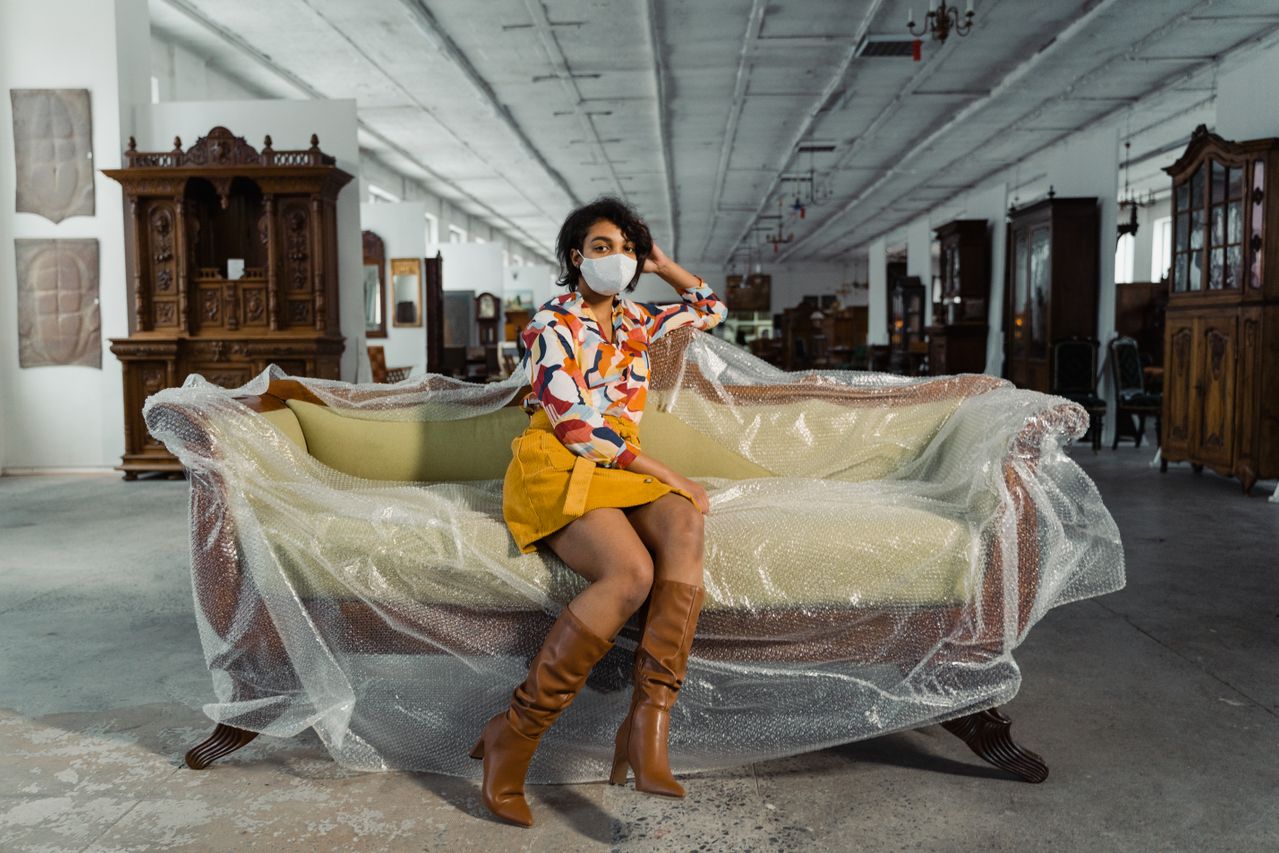
Moving antiques requires careful planning, specialized materials, and experienced handling to reduce the risk of damage. Professional antique moving in New Jersey may involve detailed inspections, custom crating, secure loading, and careful transportation. From furniture and mirrors to artwork and clocks, proper protection helps preserve valuable belongings. Learn how moving experts prepare, pack, transport, and deliver delicate antiques safely.
Antiques often contain fragile materials, aged joints, and delicate finishes that require careful handling. During antique moving in New Jersey, improper packing can cause scratches, cracks, broken glass, or moisture damage. Therefore, identify materials such as wood, porcelain, marble, and glass before packing. Professional moving services Princeton NJ may use padded wrapping, custom crates, careful lifting, and secure transportation to protect valuable pieces. Preparation should begin well before moving day, especially for valuable or irreplaceable belongings. For example, antique mirrors need strong edge protection, while clocks may contain delicate internal parts. Artwork, collectibles, carved furniture, and family heirlooms can also require individual packing methods. In addition, documenting their condition before the move is useful. Careful planning makes loading, transportation, and unloading safer for fragile possessions.
Identify the Materials and Condition of Each Antique Before Packing
A careful inspection helps determine how each antique should be packed and handled. Movers may first identify whether a piece contains hardwood, marble, glass, porcelain, or metal. For example, an antique cabinet may have solid wood framing but delicate glass doors. A table may feature a heavy marble top that requires separate support. Experienced fine art movers NJ may also check veneers, carved details, decorative trim, and fragile finishes. These features can affect the type of wrapping, padding, and lifting method used.
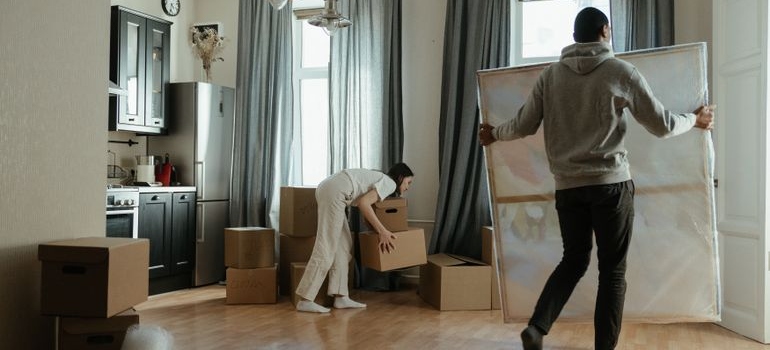
Condition should also be documented before anything leaves your home. Take clear photographs from the front, back, sides, and top when possible. In addition, photograph existing scratches, cracks, loose joints, chipped areas, or missing hardware. Keep these images with your moving inventory and appraisal documents. Remember that an older piece is not automatically more fragile. A well-maintained solid wood chest may be stronger than a newer antique-style cabinet with loose veneer. Therefore, construction, materials, previous repairs, and current condition should guide the protection method.
Create a Detailed Inventory and Document Valuable Items
A detailed inventory gives you a clear record of every antique before moving day. List each item’s description, dimensions, materials, maker, and identifying marks when known. For example, record whether a dining table has removable leaves or carved legs. Photograph each piece from several angles. In addition, take close-up photos of signatures, serial numbers, labels, and existing damage. When working with house movers NJ, this information can also help you explain which belongings require extra care during packing and loading.
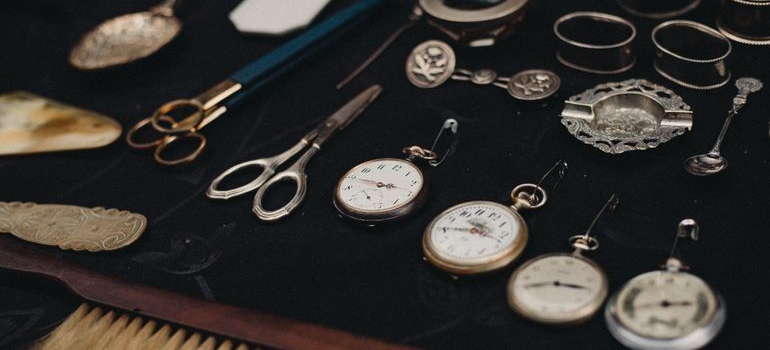
Keep supporting documents together rather than placing them inside moving boxes. These may include purchase receipts, previous appraisals, certificates of authenticity, restoration records, and insurance documents. Store digital copies in cloud storage or another secure location as a backup. Moreover, create a separate section of your inventory for high-value antiques. A $5,000 painting, inherited grandfather clock, or valuable porcelain collection should not be treated like standard household goods. Clear records make it easier to track valuable belongings and confirm their condition after delivery.
Professional Antique Moving in New Jersey Starts With Proper Packing Materials
Antiques need packing materials selected for their surfaces, shape, weight, and construction. An ordinary moving blanket may protect a sturdy dresser, but it may not protect delicate veneer or carved details. Professionals can use acid-free tissue for sensitive surfaces and glassine for artwork or framed pieces. Foam, corner protectors, and padded blankets add protection against bumps and pressure. When selecting moving boxes Princeton NJ, consider whether standard cartons provide enough strength and space. Valuable mirrors, sculptures, paintings, and unusually shaped antiques may require custom boxes or wooden crates instead.
Direct contact between plastic wrap and certain antique finishes can create problems. Plastic may trap moisture, and some finishes can react poorly when tightly covered for extended periods. Therefore, professionals often place a suitable protective layer between the antique and outer wrapping. Carved chair arms may receive extra padding, while glass cabinet doors need firm protection against impact. Likewise, heavy marble pieces require stronger support than porcelain collectibles. Matching materials to each antique helps reduce movement, surface damage, and unnecessary pressure during transportation.
Custom Crating Provides Extra Protection for Fragile and High-Value Pieces
Custom crating creates a protective enclosure designed around a valuable item’s size, shape, weight, and fragile areas. Before building or selecting a crate, professionals measure the piece carefully. They then choose suitable cushioning to limit pressure and movement. During antique moving in New Jersey, this method can protect large mirrors, framed artwork, sculptures, marble pieces, and delicate furniture. Professional packing services NJ may also add foam, corner protection, and interior supports based on the item’s construction. As a result, vulnerable surfaces have extra protection from bumps and contact.
The main goal is to prevent the antique from shifting inside its crate during transportation. For example, a valuable sculpture may need a reinforced crate with cushioning around stable structural points. Meanwhile, a large antique mirror may require rigid protection around its frame and glass. Custom crating costs more than standard packing, so it is generally reserved for valuable, fragile, oversized, or unusually shaped belongings. However, the additional expense can be worthwhile when standard boxes cannot provide suitable protection for an irreplaceable piece.
Experts Use Careful Techniques When Moving Heavy Antique Furniture
Heavy antique furniture requires controlled lifting because age can weaken joints and decorative components. Large armoires, cabinets, dining tables, and desks may weigh hundreds of pounds. However, movers should never lift them by handles, carved trim, or other fragile areas. Instead, they support strong structural points and use padded dollies, moving straps, blankets, and suitable lifting equipment. Similar care is familiar to piano movers Princeton NJ, since heavy valuables often require several people to coordinate each movement. This approach reduces pressure on both the furniture and the people handling it.
Before lifting begins, professionals can measure doorways, hallways, staircases, and elevators. For example, a tall antique armoire may need a planned turning point to pass safely through a narrow hallway. Floor runners can protect hardwood floors, while padding helps prevent damage to walls and doorframes. Moreover, several movers may be necessary for a marble-top table or unusually shaped cabinet. One person can guide the route while others control the weight. Careful coordination helps prevent sudden drops, collisions, and unnecessary strain.
Antique Moving in New Jersey May Require Careful Disassembly and Reassembly
Partial disassembly can make some large antiques safer to carry through narrow spaces. For example, professionals may remove table legs, cabinet shelves, doors, mirrors, or detachable decorative pieces. This can reduce the item’s weight and protect parts that extend from the main structure. Experienced furniture movers NJ should first examine joints, fasteners, and previous repairs. However, taking an antique apart is not always safer. Old screws, brittle wood, glued joints, or weakened hardware can make unnecessary disassembly risky. Therefore, stable pieces may be better moved intact with suitable padding and support.
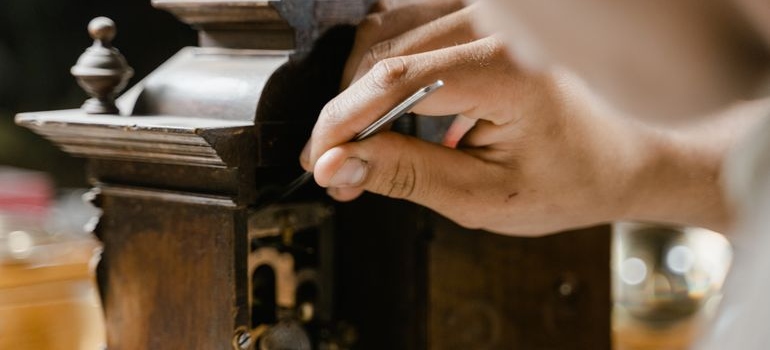
Before removing anything, take photographs that show how each component fits together. Next, label removable parts so they return to their original positions. Screws, bolts, keys, and other hardware should go into labeled bags or small containers. Meanwhile, glass shelves and mirrors need separate protective wrapping. After delivery, careful reassembly is equally important. Components should be aligned correctly without forcing old joints or overtightening hardware. This method helps maintain the antique’s stability, appearance, and original construction after the move.
Antique Clocks, Mirrors, Artwork, and China Need Different Packing Methods
Different antiques require packing methods suited to their construction and fragile parts. For example, a grandfather clock should not be prepared like a framed painting. Pendulums, weights, and other removable clock components may need separate wrapping and labeling. Meanwhile, mirrors and framed artwork benefit from corner protectors, surface protection, and sturdy picture boxes. Experienced New Jersey residential movers can also identify pieces that may need additional padding or custom crating. This individual approach helps prevent pressure on glass, frames, decorative edges, and delicate internal components.
China, porcelain, and ceramic collections require another packing method. Wrap each plate, cup, figurine, or serving piece separately rather than stacking unprotected items together. In addition, use cushioning and dividers to prevent pieces from touching during transportation. Plates are generally safer when packed vertically in suitable dish boxes instead of lying flat. Fill empty spaces carefully so contents cannot shift. Finally, clearly identify boxes containing fragile antiques and note which side should remain upright. Proper labels help movers recognize items that require controlled handling during loading and unloading.
Safe Loading Helps Prevent Movement and Damage Inside the Moving Truck
Where an antique is placed inside the moving truck can be as important as its packing. During antique moving in New Jersey, professionals position valuable pieces where they are less likely to shift, tip, or receive pressure. For example, an antique cabinet should stand securely rather than support stacks of heavy boxes. Movers can use straps to stabilize large furniture and padded barriers to separate delicate surfaces. In addition, wrapped mirrors and artwork need secure positions where other belongings cannot fall against them during sudden stops or turns.
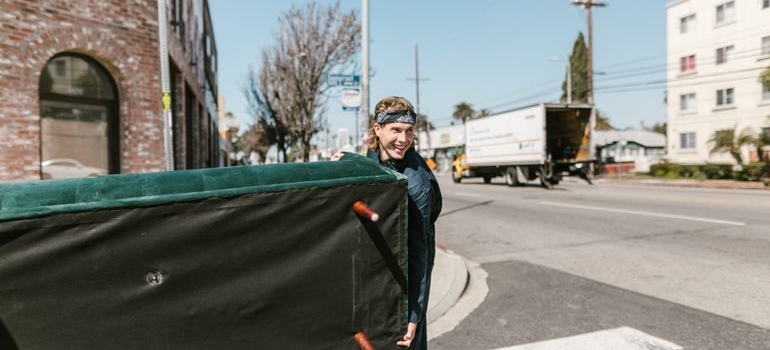
Weight distribution also affects how safely the truck travels. Heavy, stable items are generally positioned to create a balanced load, while fragile pieces receive protected spaces. Movers should avoid placing heavy cartons on antique tables, chairs, or cabinets. Even padded furniture can suffer from concentrated pressure during a long trip. Moreover, empty spaces around valuables may require cushioning to limit movement. Professional loading creates a stable arrangement that protects glass, carvings, legs, joints, and delicate finishes throughout transportation.
Climate and Weather Conditions Can Affect Antique Furniture During a Move
Weather can create serious challenges when you move antique furniture. Wood naturally responds to changes in temperature and humidity. For example, high humidity can cause wood to absorb moisture and expand. Very dry conditions may contribute to shrinking or cracking. New Jersey summers can bring heat and high humidity, while winter introduces freezing temperatures, snow, and ice. Rain also creates risks for wood, fabric, metal, and paper-based items. Therefore, valuable pieces should spend as little time as possible outdoors during loading and unloading.
Proper moisture protection requires more than simply covering an antique with plastic. Plastic placed directly against delicate finishes can trap condensation. Instead, movers can use breathable protective layers, padded blankets, and suitable outer coverings. Winter moves also require clear walkways and dry loading areas. Moreover, allow extra time when snow or ice affects road conditions. Climate-controlled storage may be useful if antiques cannot move directly into the new home. This option can provide more stable temperature and humidity levels for wooden furniture, artwork, documents, and other sensitive valuables.
Insurance and Valuation Protection Matter During Antique Moving in New Jersey
An appraisal establishes an antique’s estimated monetary value, while moving valuation determines a mover’s financial responsibility for loss or damage. These are not the same as insurance. Before antique moving in New Jersey, consider obtaining current appraisals for expensive furniture, artwork, clocks, or collections. Also, ask your mover what valuation options are available and whether high-value items require additional documentation. Review coverage limits, deductibles, exclusions, and claim requirements before signing your moving agreement.
Depending on your move and policies, protection may include:
- Released Value Protection: Basic carrier liability with limited reimbursement based on weight.
- Full Value Protection: The mover may repair, replace, or provide a cash settlement for covered loss or damage.
- Third-Party Moving Insurance: Separate insurance may provide additional protection for valuable belongings.
- Homeowners or Renters Insurance: Some policies may cover belongings during a move, but limits and exclusions vary.
Protect Your Antiques With Experienced New Jersey Moving Professionals
Antiques often carry financial, historical, and personal value, so careful preparation matters. Professional antique moving in New Jersey can include condition documentation, specialized packing, custom crating, careful lifting, and secure loading. Each piece requires individual attention. For example, a grandfather clock needs different preparation than a marble table, framed painting, or porcelain collection. Proper planning can reduce exposure to impacts, moisture, pressure, and movement during transportation. Before moving day, document valuable pieces, review valuation options, and discuss fragile items with your moving team. Experienced professionals can select suitable materials and handling methods based on each antique’s construction and condition. If you are preparing to relocate valuable furniture, artwork, or family heirlooms, contact Princeton Moving & Storage for professional packing and moving support throughout your New Jersey relocation.
Reviews

Robert Pera

a month ago
I was so stressed about moving our big family. Princeton Van Service made it easy. The crew was strong and very nice to my kids. Seeing all our things safe in the new house made me feel so relieved. Thank you for that.
Locations
Areas We Serve
FAQ
FAQ
Professionals use padded moving blankets, protective wrapping, corner guards, custom crates, and secure loading methods. They may also document each item's condition before packing and transportation.
Not every antique requires custom crating. However, valuable artwork, mirrors, sculptures, clocks, and highly fragile furniture may benefit from a custom crate designed around the item's size and shape.
An updated appraisal can be useful for high-value antiques. It provides documentation of an item's estimated value and can help you choose suitable insurance or valuation protection before the move.
Yes, some antique furniture can be partially disassembled when doing so reduces moving risks. However, professionals should first consider the item's age, construction, condition, and fragile components before removing legs, shelves, doors, or other parts.