
How to Avoid Scams: What the Best Moving Companies Do Differently
Get a Free Quote
Moving scams can turn a planned relocation into a stressful and expensive experience. Learning how to avoid scams helps you identify trustworthy movers and recognize warning signs early. Reliable moving companies provide clear estimates, proper credentials, written contracts, transparent payment terms, and consistent communication. Careful research and comparison can help protect your belongings, budget, and moving experience from fraud.
Choosing a trustworthy moving company can protect your belongings, budget, and schedule. For example, reliable movers in Princeton NJ provide clear estimates and explain their services before moving day. However, dishonest companies may advertise very low prices and later demand extra fees. Therefore, knowing how to avoid scams can help you recognize suspicious offers before signing a contract. Moving scams can cause more than unexpected costs. Your belongings could arrive late, suffer damage, or even be withheld until additional charges are paid. In contrast, reputable companies use written agreements, transparent pricing, and clear communication. They also explain payment terms and available protection options. By checking these details, you can compare companies carefully and make a more informed choice.
Learn How to Avoid Scams by Checking a Moving Company’s Credentials
Before booking a mover, verify that the business has the credentials required for your type of relocation. Licensing rules can differ between local and interstate moves. For example, New Jersey interstate movers generally need federal registration and a valid USDOT number. You can check interstate movers through the Federal Motor Carrier Safety Administration. For local moves, review the licensing requirements set by the appropriate state authority. Also, ask the company about insurance and liability coverage. These checks help confirm that you are dealing with an established business.
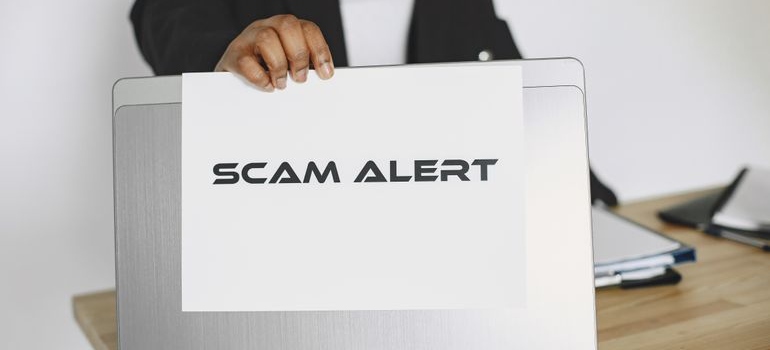
Learning how to avoid scams also means looking beyond an attractive website. A polished site does not automatically prove that a company is legitimate. Therefore, compare the business name, physical address, phone number, and registration details across official records. These details should be consistent. In addition, be cautious if a mover avoids questions about licensing or provides information that cannot be verified. Taking a few minutes to check official records can prevent serious problems later.
Understand Why Reputable Movers Provide Clear and Detailed Estimates
A reliable moving company should explain how your total cost is calculated before you commit. Professional movers consider shipment size, distance, labor, and required services. For example, international movers NJ may also consider packing needs, transportation arrangements, and storage. An in-home inspection can provide an accurate view of your belongings. However, a detailed virtual assessment can also work when completed carefully. Your written estimate should clearly show expected charges and the services included.
Before accepting an estimate, review each cost instead of focusing only on the final number. Look for charges related to labor, transportation, packing materials, storage, stairs, or special handling. In addition, ask whether any circumstances could increase the price. An estimate that is far below several others deserves closer attention. It may exclude important services or fees. Therefore, compare several detailed estimates using similar services and conditions. This approach helps you understand what you are paying for and reduces the risk of unexpected costs later.
Recognize Pricing Tactics That May Signal a Moving Scam
An estimate that is much lower than competing quotes should receive extra attention. For example, one company may quote $1,500 while several others estimate $2,500 for similar services. The lower price could exclude labor, packing, or transportation charges. Reputable New Jersey office movers should explain what their estimate includes before you agree to the service. By contrast, dishonest operators may add unexpected fees after loading your belongings. Therefore, ask for a written breakdown of every expected charge.

Payment requirements can also reveal potential problems. Be cautious when a company requests a very large deposit before moving day. Likewise, question demands for cash-only payments, especially when the mover cannot provide clear documentation. Vague terms such as “additional service fee” should also be explained before you sign. Ask what could increase the final cost, including stairs, long carries, packing materials, or storage. Finally, make sure every agreed charge appears in writing. Clear pricing makes comparing companies easier and helps you avoid unexpected expenses.
Read Moving Contracts Carefully Before Signing Any Agreement
Your moving contract should contain complete information before you add your signature. Never sign blank pages or documents with missing prices, dates, or services. Instead, check the pickup date, expected delivery window, total pricing, and services included. For example, if you need storage Princeton NJ, confirm that storage costs and conditions appear in writing. The contract should also explain packing, transportation, and any extra services you requested. This gives you a clear record of what the mover agreed to provide.

Next, review the cancellation and payment terms carefully. Check when deposits and final payments are due. Also, find out whether cancellation fees apply if your plans change. If a sentence seems unclear, ask the mover to explain it before signing. Do not rely only on verbal promises, even when the representative seems helpful. Finally, keep copies of your estimate, signed contract, receipts, emails, and other correspondence. These records help you track agreed terms and address possible billing or service disputes.
Know How to Avoid Scams by Researching Reviews and Company History
Online reviews can show patterns that one customer comment may not reveal. When researching furniture movers NJ, check several independent review platforms instead of relying on testimonials from the company website. Look for repeated comments about pricing, punctuality, damaged items, or customer service. For example, several complaints about hidden charges may indicate a consistent problem. Knowing how to avoid scams also means examining unusually positive feedback. A sudden group of perfect reviews with similar wording deserves closer attention.
Company history provides another useful layer of information. Check how long the mover has operated under its current business name. Frequent name changes may require further research, especially when previous customer complaints are difficult to trace. In addition, review how the company responds when customers report problems. Professional responses should address concerns clearly rather than attack or dismiss customers. Compare recent and older reviews to identify consistent service patterns. Finally, check official business records and complaint sources when available. Combining these details gives you a clearer picture before booking.
Pay Attention to How Professional Movers Communicate With Customers
Clear communication can tell you a great deal about a moving company before moving day arrives. Professional movers should answer questions about pricing, scheduling, insurance, and available services without avoiding details. For example, reputable piano movers Princeton NJ should explain how they protect the instrument and whether special equipment affects the price. You should also receive reliable contact information, including a working phone number and business address. In addition, important details should be provided in writing so you can review them later.

Watch closely for communication that creates confusion or unnecessary pressure. Vague answers about costs, changing information, or demands to book immediately can be warning signs. Therefore, ask for clarification whenever details do not match earlier conversations. Reliable movers should also provide updates as your relocation progresses. For instance, they may confirm arrival times and explain changes to the delivery schedule. Consistent updates help you prepare for each stage. Moreover, written communication creates a useful record if questions arise about services, timing, or charges.
Compare How Trustworthy Movers Handle Deposits and Payments
Payment practices can help you judge how professionally a moving company operates. Some movers request a deposit when you reserve your date. However, you should understand the amount and payment schedule before agreeing. An unusually large upfront payment may deserve additional questions. For example, ask why the deposit is required and whether it is refundable. Reliable companies should provide written payment terms that explain deposits, balances, cancellation policies, and possible extra charges. Therefore, review these details before providing any money.

You should also know exactly when each payment becomes due. Ask whether the remaining balance is required before pickup, during transit, or after delivery. In addition, choose secure and traceable payment methods whenever possible. Credit card payments, for instance, create a transaction record that you can keep with your moving documents. Be cautious if payment requirements suddenly change without a clear explanation. Last-minute demands for additional money should always be questioned. Finally, request written documentation for any new charge before making another payment.
Ask About Liability Coverage and Protection for Your Belongings
Understanding liability coverage can help protect you if belongings are lost or damaged during a move. Coverage options may differ depending on whether your move is local or interstate. Therefore, ask the company to explain each option before signing your agreement. You should know how compensation is calculated and whether certain items have limited protection. Even packing supplies can affect preparation. For example, using sturdy moving boxes Princeton NJ can reduce the risk of damage to dishes, books, and household items during handling and transportation.
Before moving day, ask how the claims process works and what documents you would need. Take photos of valuable furniture, electronics, artwork, and fragile items before they are packed. In addition, keep receipts or other proof of value for expensive belongings when possible. If something arrives damaged, document its condition before disposing of packaging. You should also ask about deadlines for reporting damage or filing a claim. A legitimate moving company should explain its liability terms and claims procedures clearly, so you understand your options before the move begins.
Identify Professional Moving Practices on Moving Day
Moving day gives you another chance to confirm that the company operates professionally. A legitimate crew should arrive within the agreed time window and be ready to work. Team members should be identifiable, while vehicles and equipment should appear suitable for the job. Before loading starts, review the paperwork and confirm important details. These may include the destination, services, pricing terms, and delivery information. When applicable, check the inventory carefully. Make sure listed furniture, boxes, and other belongings match what the crew is loading.
Careful handling is another sign of professional service. Movers should protect furniture, label items when needed, and use suitable equipment for heavy pieces. Knowing how to avoid scams also means paying attention to unexpected changes on moving day. For example, question unexplained fees or paperwork that differs from your original agreement. In addition, photograph valuable furniture, electronics, and fragile items before loading. Keep copies of signed documents and inventory records. These simple steps create useful evidence if an item is damaged, lost, or disputed later.
Use These Steps to Understand How to Avoid Scams Before Booking
Careful research before booking can reduce the risk of choosing an unreliable mover. For interstate moves, you can verify a company through the Federal Motor Carrier Safety Administration (FMCSA). Its official records can help you check USDOT registration and other company information. You should also compare several movers instead of accepting the first attractive offer. Understanding how to avoid scams means checking both the company and the terms it offers.

Before making your final decision, complete these important checks:
- Verify licensing, registration, business address, and contact details.
- Request a detailed written estimate that explains expected charges.
- Compare estimates from at least three moving companies.
- Read reviews and look for repeated complaint patterns.
- Review the contract, cancellation policy, and payment terms carefully.
- Ask about liability coverage, claims procedures, and possible additional fees.
- Avoid companies that pressure you to book or pay immediately.
- Keep estimates, contracts, receipts, emails, and other written communication.
Choose a Moving Company That Values Transparency and Customer Protection
A successful move starts with a company that provides clear information from the beginning. Reliable movers explain pricing, payment terms, liability coverage, and delivery expectations before you sign. Therefore, learning how to avoid scams can help you recognize warning signs and compare companies with greater confidence. Check credentials, read reviews, request written estimates, and carefully review every agreement before moving day. Your belongings deserve careful handling and dependable service throughout the relocation. In addition, clear communication can reduce confusion about schedules, charges, and responsibilities. Do not base your choice on the lowest price alone. Instead, consider transparency, experience, and professional practices. If you are planning a move in New Jersey or beyond, contact Princeton Moving & Storage to discuss your relocation needs and available moving services.
Reviews

Robert Pera

a month ago
I was so stressed about moving our big family. Princeton Van Service made it easy. The crew was strong and very nice to my kids. Seeing all our things safe in the new house made me feel so relieved. Thank you for that.
Locations
Areas We Serve
FAQ
FAQ
Check the company’s licensing, insurance, business information, and customer reviews. A legitimate mover should also provide clear contact details and written documentation.
Common warning signs include extremely low estimates, large upfront deposits, vague contracts, cash-only demands, and pressure to book immediately.
Research several companies, compare written estimates, verify credentials, read contracts carefully, and review payment terms. Also, ask questions about additional fees before booking.
Not necessarily. A very low estimate may exclude important charges. Instead, compare services, pricing details, credentials, coverage options, and customer experiences before making your decision.